


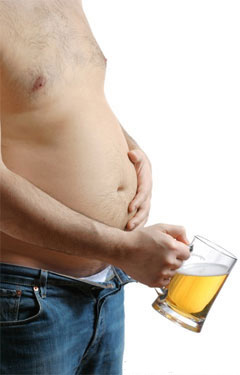
Alcohol and weight loss have always had a complicated relationship. Many people assume that drinking automatically leads to weight gain-hence terms like "beer belly" or "beer gut." But the truth is more nuanced. While alcohol itself is not directly converted into body fat, it can influence your metabolism, hunger hormones, and fat-burning processes in ways that make weight loss more challenging.
This comprehensive guide breaks down exactly how alcohol affects your body, why it can stall fat loss, and how you can enjoy drinks responsibly without sabotaging your goals.
How Your Body Processes Alcohol
To understand alcohol's impact on weight, you first need to understand how the body metabolizes it.
1. Alcohol Is Absorbed Differently Than Food
- Carbohydrates, fats, and proteins must be digested before entering the bloodstream.
- Alcohol, however, is absorbed directly through the stomach lining and enters the bloodstream quickly.
- Once in the bloodstream, alcohol travels to the liver for processing.
2. Alcohol Is Converted Into Acetate
Unlike carbohydrates and fats, alcohol is not converted into glucose. Instead, the liver converts it into acetate, which becomes your body's preferred energy source.
This is where the problem begins.
3. Acetate Halts Fat Burning
When acetate is present:
- Your body stops burning fat.
- Your metabolism shifts to burning acetate first.
- Any fat or carbs you eat while drinking are more likely to be stored as body fat.
This doesn't mean alcohol turns into fat-but it creates the perfect environment for fat storage.
How Alcohol Can Lead to Weight Gain (Even If It's Not Stored as Fat)
Even though alcohol isn't directly stored as fat, it influences several biological processes that make weight loss harder.
1. Alcohol Reduces Insulin Sensitivity
Research shows that regular alcohol consumption can reduce insulin sensitivity. When insulin sensitivity drops:
- Your body struggles to process carbohydrates efficiently.
- More carbs are stored as fat-especially around the abdomen.
- Your risk of developing type 2 diabetes increases.
This is one reason heavy drinkers often gain weight around the midsection.
2. Alcohol Increases Hunger by Affecting Ghrelin
Ghrelin is the hormone that signals hunger. Alcohol:
- Suppresses the hormones that tell you you're full.
- Increases ghrelin levels, making you feel hungrier.
- Encourages overeating-especially high-calorie, salty, or fatty foods.
This is why drinking often leads to late-night snacking or overeating at meals.
3. Alcohol Slows Down Fat Metabolism
When your liver is busy processing alcohol:
- It cannot efficiently break down dietary fat.
- Unprocessed fat is stored in the body.
- This effect can last for hours after drinking.
Even moderate drinking can temporarily reduce your fat-burning ability by up to 70%.
Does Alcohol Ever Cause Weight Loss?
Interestingly, some studies show that when alcohol replaces carbohydrates in heavy drinkers, it may lead to weight loss. However:
- This applies only when alcohol replaces calories, not when it's added on top of normal eating.
- It does not apply to moderate drinkers.
- It is not a healthy or recommended weight-loss strategy.
The risks far outweigh any potential metabolic benefit.
Why Eating While Drinking Leads to Weight Gain
Many people notice they gain weight when they drink and eat at the same time. Here's why:
1. Alcohol + Carbs = Increased Fat Storage
Because alcohol reduces insulin sensitivity, carbs eaten with alcohol are more likely to be stored as fat.
2. Alcohol + Fat = Even More Fat Storage
When the liver is processing alcohol, it cannot break down fat efficiently. So dietary fat eaten with alcohol is stored almost immediately.
3. Alcohol + Carbs + Fat = The Perfect Storm
This combination:
- Spikes insulin
- Increases hunger
- Slows fat metabolism
- Encourages overeating
This is why pizza, wings, fries, and beer are such a dangerous combination for weight loss.
How to Drink Alcohol Without Sabotaging Your Weight Loss
You don't have to give up alcohol completely to lose weight. But you do need a strategy.
1. Limit Carbohydrates When Drinking
Since alcohol reduces insulin sensitivity, keeping carbs low helps prevent fat storage.
Good choices:
- Lean protein
- Vegetables
- Low-carb snacks
Avoid:
- Bread
- Pasta
- Rice
- Sugary mixers
- Desserts
2. Avoid Mixing Fats and Alcohol
If you're drinking, avoid high-fat foods like:
- Fried foods
- Cheese
- Burgers
- Pizza
Your liver won't process the fat efficiently, and it will be stored.
3. Choose Lower-Calorie Alcohol Options
Better choices:
- Vodka soda
- Light beer
- Dry wine
- Tequila with lime
Avoid:
- Cocktails with sugary mixers
- Cream-based drinks
- Sweet wines
4. Use Supplements Wisely
Some supplements may help reduce alcohol's impact on weight:
- Alpha-lipoic acid (ALA): Helps improve insulin sensitivity.
- Hoodia: May help reduce hunger triggered by alcohol.
These are not magic solutions, but they can support your efforts.
5. Replenish Nutrients
Alcohol depletes:
- B vitamins
- Magnesium
- Electrolytes
Replenish these with:
- A multivitamin
- Electrolyte drinks
- Leafy greens
- Lean proteins
6. Drink Water Between Drinks
This helps:
- Reduce calorie intake
- Prevent dehydration
- Slow down alcohol absorption
- Reduce hunger
Key Takeaways
- Alcohol is metabolized into acetate, not fat.
- Acetate halts fat burning and encourages fat storage.
- Alcohol increases hunger and reduces fullness.
- Drinking with carbs and fats leads to weight gain.
- You can drink and still lose weight-if you follow smart strategies.
11 Comments
Remember life is only for once
so enjoy life king size