


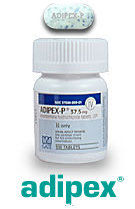
Adipex, a brand name for phentermine, is one of the most widely prescribed appetite suppressants for short-term weight loss. For individuals struggling with obesity or weight-related health risks, medications like Adipex can offer meaningful support when used under proper medical supervision. However, like all prescription weight-loss drugs, Adipex carries significant risks, potential side effects, and limitations that every patient should understand before beginning treatment.
This comprehensive guide explains how Adipex works, who it's intended for, its benefits and dangers, and why medical oversight is essential for safe use.
What Is Adipex?
Adipex-P is a prescription medication containing phentermine hydrochloride, a stimulant chemically similar to amphetamines. It works primarily by suppressing appetite, helping individuals reduce caloric intake and initiate weight loss. Because of its stimulant properties, Adipex is classified as a Schedule IV controlled substance in the United States.
Doctors typically prescribe Adipex for:
- Individuals with a BMI of 30 or higher
- Individuals with a BMI of 27 or higher who also have weight-related medical conditions such as hypertension, diabetes, or high cholesterol
- Short-term use (usually 12 weeks or less)
Adipex is most effective when combined with a structured weight-loss plan that includes dietary changes, exercise, and behavioral modifications.
How Adipex Works
Phentermine stimulates the central nervous system, increasing levels of neurotransmitters such as norepinephrine, dopamine, and serotonin. This creates a reduced sense of hunger and increased energy levels, making it easier for patients to maintain a calorie deficit.
However, because of its stimulant effects, Adipex can also cause:
- Elevated heart rate
- Increased blood pressure
- Insomnia
- Restlessness
For this reason, doctors often recommend taking Adipex early in the morning, ideally before or shortly after breakfast, to minimize sleep disturbances.
A Look Back: The Fen-Phen Controversy
In the 1990s, phentermine was commonly combined with fenfluramine in a weight-loss drug known as Fen-Phen. While phentermine itself was not the primary issue, fenfluramine was linked to serious heart valve damage and pulmonary hypertension. Studies revealed that up to 30% of users developed cardiac complications, leading to the drug's removal from the market.
Although Adipex (phentermine alone) is still FDA-approved, the Fen-Phen incident serves as a reminder that weight-loss medications must be used cautiously and under strict medical supervision.
How Effective Is Adipex?
Many patients experience rapid weight loss during the first few weeks of treatment. This is largely due to appetite suppression and increased energy expenditure. However, the body often adapts to the medication, reducing its effectiveness over time.
Key points about Adipex effectiveness:
- Weight loss is typically modest, not dramatic
- Most patients lose a few pounds per week initially
- The body can develop tolerance, reducing appetite-suppressing effects
- Long-term success depends on lifestyle changes, not the medication alone
Adipex is not a miracle solution. It is a tool, not a cure, and must be paired with healthy habits to produce lasting results.
The Dangers of Counterfeit Adipex
A growing number of online pharmacies sell fake or counterfeit Adipex, often at suspiciously low prices. These products may contain:
- Toxic fillers
- Heavy metals such as lead
- Incorrect dosages
- Completely different drugs
Consuming counterfeit medication can lead to poisoning, organ damage, or life-threatening reactions. Authentic Adipex should only be obtained through a licensed healthcare provider and a reputable pharmacy.
Short-Term Side Effects of Adipex
Because Adipex is a stimulant, side effects are common, especially during the first few weeks. These may include:
- Tachycardia (rapid heart rate)
- Elevated blood pressure
- Restlessness or nervousness
- Insomnia
- Dry mouth
- Headaches
- Dizziness
- Digestive discomfort
While many side effects are mild, they should always be reported to a healthcare provider.
Serious or Long-Term Side Effects
If Adipex is used improperly or for longer than prescribed, more severe complications may occur:
- Chest pain
- Difficulty breathing
- Swelling of the face, lips, or tongue
- Severe headaches
- Vision changes
- Irregular heartbeat
- Hallucinations or behavioral changes
- Extreme fatigue
- High blood pressure spikes
- Fainting
These symptoms require immediate medical attention.
Withdrawal Symptoms
Stopping Adipex abruptly after prolonged use can lead to withdrawal effects, including:
- Fatigue
- Depression or mood changes
- Irritability
- Nausea
- Stomach pain
- Sleep disturbances
- Skin sensitivity
- Nightmares
- Hyperactivity
- Personality changes
This is why Adipex should only be discontinued under medical guidance.
Who Should Avoid Adipex?
Adipex is not safe for individuals with certain medical conditions. You should not take Adipex if you have:- Heart disease
- Uncontrolled high blood pressure
- Hyperthyroidism
- Glaucoma
- Severe anxiety or agitation
- A history of drug abuse
- Allergies to stimulants
- Hypersensitivity to phentermine
- Recent use of MAO inhibitors (within the last 14 days)
Combining Adipex with MAO inhibitors can cause dangerous interactions, including hypertensive crisis.
Why Medical Supervision Is Essential
Although Adipex can support weight loss, using it without medical oversight can be dangerous. A healthcare provider will:
- Evaluate your medical history
- Monitor your heart rate and blood pressure
- Adjust dosage or discontinue treatment if needed
- Ensure the medication is not interacting with other prescriptions
- Help you build a sustainable weight-loss plan
The safest and most effective use of Adipex occurs when it is part of a comprehensive, medically supervised program that includes nutrition, exercise, and behavioral support.
The Bottom Line: Is Adipex Worth It?
Adipex can be helpful for individuals who need short-term assistance with appetite control, especially when obesity poses serious health risks. However, it is not a long-term solution and carries significant potential side effects.
The key to safe and successful weight loss with Adipex is:
- Medical supervision
- Lifestyle changes
- Avoiding counterfeit products
- Understanding the risks
- Using the medication only as prescribed
Weight can be lost through healthy habits, but damaged organs cannot be replaced. Your long-term health is always more important than rapid results.
1 Comments