


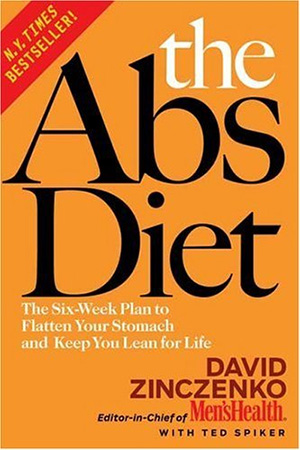
The Abs Diet is a weight-loss and fitness program originally designed with men in mind, particularly those who struggle with excess abdominal fat and limited time for meal preparation or exercise. While many commercial diets traditionally target women, the Abs Diet positions itself as a male-focused approach that aligns with men's caloric needs, lifestyle patterns, and psychological motivators. Over time, however, the diet has gained popularity among both men and women due to its balanced nutritional framework, emphasis on strength training, and sustainable eating habits.
This review provides a detailed, professional analysis of the Abs Diet, its core principles, its scientific rationale, and its potential benefits and drawbacks. It also expands on the original content by offering additional context, nutritional insights, and practical considerations for anyone evaluating whether this program is right for them.
Understanding the Purpose of the Abs Diet
Excess abdominal fat is strongly associated with increased risks of cardiovascular disease, type 2 diabetes, hypertension, liver dysfunction, and metabolic disorders. Research consistently shows that visceral fat - the fat stored around internal organs - is particularly harmful. For men, who tend to accumulate fat in the abdominal region more readily than women, this risk is even more pronounced.
The Abs Diet was developed to address these concerns by offering a structured eating plan that supports fat loss while preserving lean muscle mass. The program acknowledges that men often require:
- Higher caloric intake than women
- More protein to support muscle development
- Practical, time-efficient meal options
- A psychologically motivating structure that avoids feelings of deprivation
By focusing on nutrient-dense foods, frequent meals, and strength-based exercise, the Abs Diet aims to help men lose weight without sacrificing energy, performance, or satisfaction.
Core Principles of the Abs Diet
The Abs Diet is built around six foundational guidelines. These principles are designed to boost metabolism, stabilize blood sugar, support muscle growth, and make the diet easier to follow long-term.
1. Eat Six Meals Per Day
Instead of three large meals, the Abs Diet encourages three main meals and three snacks spaced evenly throughout the day. The goal is to:
- Prevent overeating
- Maintain stable blood glucose levels
- Keep metabolism active
- Reduce cravings
Frequent eating can be beneficial for individuals who struggle with hunger or energy dips, though it is not universally necessary for weight loss. Still, for many men with demanding schedules, structured mini-meals can help maintain consistency.
2. Focus on the 12 "Power Foods"
The Abs Diet highlights 12 nutrient-dense foods that should form the foundation of daily meals. These foods typically include:
- Almonds and nuts
- Beans and legumes
- Spinach and leafy greens
- Dairy products
- Instant oatmeal
- Eggs
- Turkey and lean meats
- Peanut butter
- Olive oil
- Whole grains
- Whey protein
- Berries
These foods are chosen for their high protein content, healthy fats, fiber, vitamins, and minerals. They help promote satiety, support muscle repair, and provide steady energy.
3. Incorporate Smoothies for Nutrition and Satiety
Smoothies are recommended as a convenient way to consume protein, fruits, and healthy fats. They can help:
- Control appetite
- Provide quick nutrition
- Support muscle recovery
- Stabilize blood sugar
For busy individuals, smoothies offer a practical alternative to skipping meals or relying on fast food.
4. Avoid Sugary Drinks and Limit Alcohol
The diet strongly discourages:
- Soft drinks
- Sugary juices
- Milkshakes
- High-calorie coffee beverages
- Excessive alcohol
These drinks contribute empty calories, spike blood sugar, and slow fat loss. Alcohol, in particular, is highlighted as a major obstacle due to its high caloric density and its tendency to impair metabolism. Moderate consumption is allowed, but only occasionally.
5. Stop Counting Calories
Unlike many restrictive diets, the Abs Diet encourages participants to focus on food quality rather than calorie tracking. The psychological goal is to:
- Reduce stress
- Prevent obsessive behavior
- Encourage intuitive eating
- Promote long-term adherence
While calorie awareness is still important for weight loss, the diet assumes that by focusing on whole foods and portion control, most men will naturally fall within a healthy caloric range.
6. Enjoy One "Cheat Meal" Per Week
Allowing one indulgent meal each week helps:
- Reduce feelings of deprivation
- Increase motivation
- Support long-term sustainability
This flexibility is a key psychological component of the program and helps prevent binge-eating cycles.
Caloric Structure and Nutritional Balance
The Abs Diet typically provides around 1,700 calories per day for men, though this may vary based on individual needs. This intake is designed to:
- Create a moderate caloric deficit
- Support fat loss
- Maintain muscle mass
The emphasis on protein-rich foods and healthy fats helps prevent the muscle loss that often accompanies dieting. This is especially important for men, who generally have higher lean body mass and metabolic demands.
Exercise Recommendations
Exercise is a central component of the Abs Diet. The program includes:
- Strength training as the primary focus
- Resistance exercises to build muscle
- Short, efficient workouts (around 20 minutes per day)
- Optional cardiovascular training for additional fat loss
The creators of the diet argue that strength training is more effective for men because it increases muscle mass, which in turn boosts resting metabolic rate. This approach aligns with modern research showing that resistance training is essential for long-term weight management.
Psychological and Lifestyle Considerations
The Abs Diet is designed to be realistic for men who:
- Work full-time
- Have limited cooking experience
- Prefer simple, hearty meals
- Need flexibility
- Want a diet that feels masculine and motivating
Even the recipe names - such as "Macho Meatballs" or "Godzilla Tortillas" - reflect the program's branding toward male psychology. While this may seem gimmicky, it can help some men feel more engaged and less intimidated by dieting.
Strengths of the Abs Diet
- Balanced nutrition with an emphasis on whole foods
- High protein intake to support muscle growth
- Flexible structure with a weekly cheat meal
- Time-efficient workouts suitable for busy schedules
- Psychologically supportive for men who dislike restrictive diets
- Sustainable long-term habits rather than quick fixes
Potential Drawbacks
- Eating six times per day may be inconvenient for some
- The diet's male-centric branding may not appeal to everyone
- Smoothies can become high-calorie if not portioned properly
- Lack of calorie tracking may hinder progress for individuals who overeat healthy foods
- Some may require more personalized macronutrient adjustments
Conclusion
The Abs Diet offers a practical, structured, and psychologically supportive approach to weight loss, particularly for men seeking a straightforward plan that fits into a busy lifestyle. Its emphasis on whole foods, strength training, and metabolic support makes it a healthier alternative to many fad diets. While not perfect for everyone, it provides a strong foundation for sustainable fat loss and improved overall health.
If followed consistently, the Abs Diet can help individuals lose weight, build muscle, and develop long-term habits that contribute to better physical and mental well-being.