


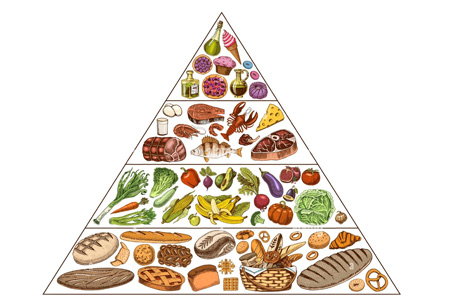
A balanced diet supported by proper nutrition is one of the most reliable ways to achieve and maintain a healthy weight. Many people understand this in theory, yet struggle in practice-often because highly processed, high-fat, high-sugar foods are engineered to be tempting, convenient, and deeply satisfying. While occasional indulgence is normal, consistently relying on these foods can undermine long-term health and make weight control far more difficult.
A nutrition-centered approach does not require extreme dieting, deprivation, or rapid weight-loss promises. Instead, it focuses on nourishing the body with the right balance of nutrients so that hunger, energy levels, metabolism, and overall well-being remain stable. When nutrition is prioritized, weight loss becomes a natural by-product rather than a constant struggle.
Why Nutrition Matters for Weight Management
Many restrictive diets lead to micronutrient deficiencies, which can trigger intense cravings, overeating, and eventual weight regain. When the body is deprived of essential vitamins and minerals, it sends strong hunger signals in an attempt to correct the imbalance. This is one of the main reasons people regain weight after dieting.
Key reasons proper nutrition is essential:
- Prevents malnutrition - Even people who appear overweight can be malnourished if their diet lacks essential nutrients.
- Reduces cravings and binge-eating - Balanced micronutrients help regulate appetite and stabilize blood sugar.
- Supports metabolism - Nutrients like B-vitamins, iron, magnesium, and omega-3s play a direct role in energy production and fat metabolism.
- Improves long-term weight stability - When the body is well-nourished, it is less likely to enter "survival mode," which slows metabolism and encourages fat storage.
If a diet program leaves you feeling fatigued, irritable, excessively hungry, or mentally foggy, it may be depriving your body of essential nutrients. In such cases, consulting a healthcare professional and considering supplementation may be necessary.
What a Balanced Diet Actually Looks Like
A balanced diet includes the right proportions of macronutrients (protein, carbohydrates, and fats) and micronutrients (vitamins and minerals). A well-designed eating plan should:
- Include lean proteins, whole grains, fruits, vegetables, and healthy fats.
- Provide adequate fiber to support digestion and satiety.
- Follow recommended daily allowances for essential nutrients.
- Avoid extreme restrictions that eliminate entire food groups without medical necessity.
A diet is considered balanced when it supports:
- Stable energy levels
- Healthy digestion
- Hormonal balance
- Sustained weight control
- Overall physical and mental well-being
Many commercial diet programs fail because they prioritize rapid weight loss over balanced nutrition. While quick results may be appealing, they often come at the cost of long-term health and lead to weight cycling.
The Problem With Weight Cycling
Weight cycling-losing weight quickly, regaining it, and repeating the cycle-can be harmful. It is often caused by:
- Overly restrictive diets
- Nutrient deficiencies
- Unsustainable eating patterns
- Metabolic slowdown from chronic calorie deprivation
Weight cycling increases the risk of obesity over time and can negatively affect cardiovascular health, mental well-being, and metabolic function. A balanced, nutrient-rich diet is one of the most effective ways to break this cycle permanently.
Why Many Diet Programs Fail
According to research and guidance from health organizations, including the National Institutes of Health (NIH), one of the most common reasons diet programs fail is the lack of balanced nutrition. Programs that focus solely on calorie reduction or rapid weight loss often ignore the body's need for micronutrients, leading to:
- Fatigue
- Cravings
- Muscle loss
- Slowed metabolism
- Weight regain
A successful weight-loss plan must nourish the body, not deprive it.
How to Choose a Healthy, Sustainable Diet Plan
Before starting any diet program, consider the following steps:
-
Get a nutritional assessment.
A doctor or registered dietitian can identify deficiencies and recommend appropriate supplements if needed. -
Evaluate the diet's structure.
Ensure it includes a balanced distribution of proteins, carbohydrates, fats, vitamins, and minerals. -
Avoid programs that promise rapid results.
Sustainable weight loss is gradual and rooted in long-term habits. -
Look for flexibility.
A good diet allows room for personal preferences, cultural foods, and occasional treats. -
Prioritize whole foods.
Minimally processed foods provide the highest nutrient density and support metabolic health.
The Bottom Line
A balanced diet supported by proper nutrition is the most reliable path to achieving and maintaining a healthy weight. Extreme dieting may offer quick results, but it often leads to nutrient deficiencies, cravings, and weight regain. By focusing on nourishment rather than restriction, you support your body's natural ability to regulate weight, improve energy, and maintain long-term health.